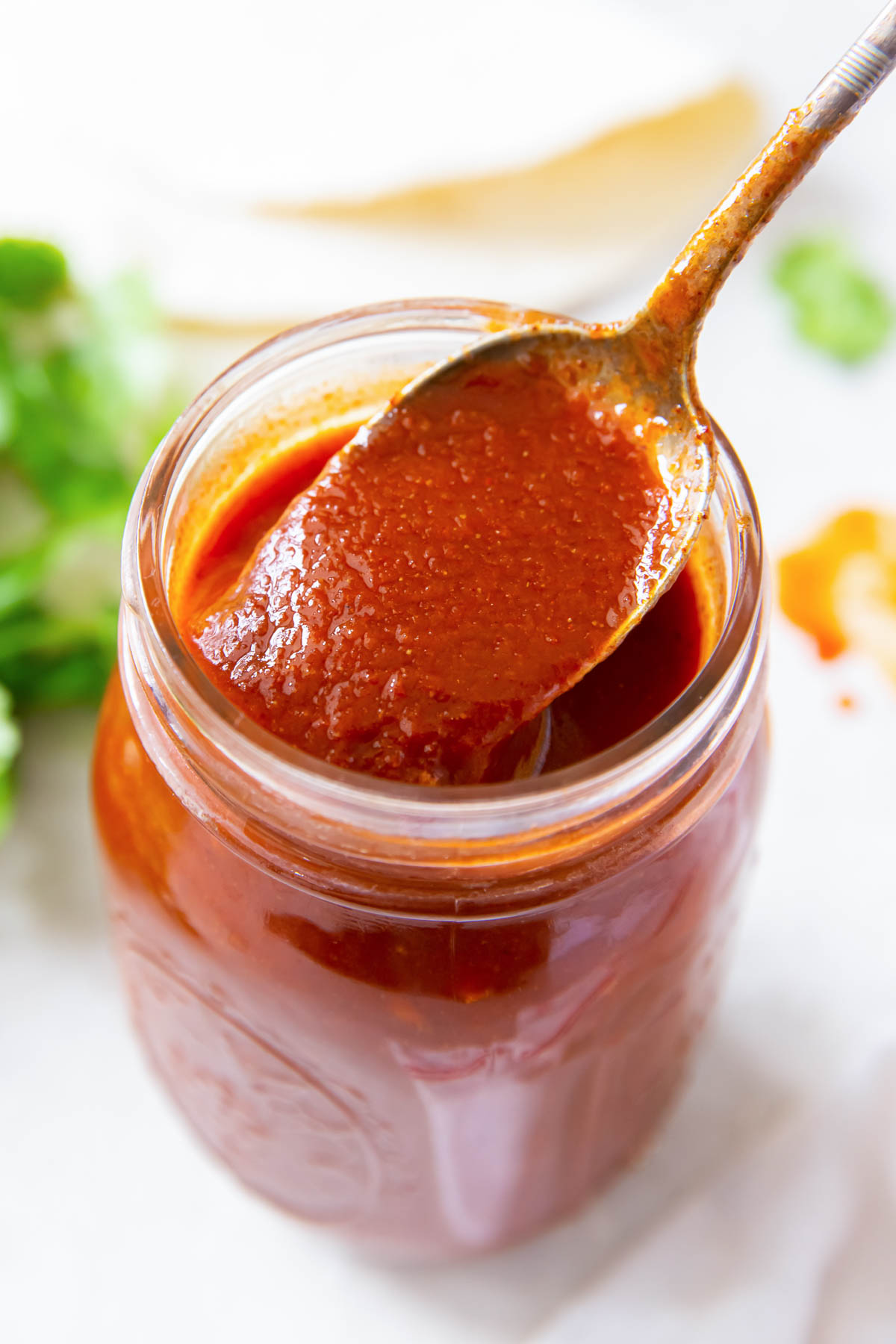
Homemade Enchilada Sauce: Reclaim Your Kitchen, Control Your Ingredients
There's something deeply satisfying about a plate of warm, savory enchiladas, bathed in a rich, flavorful sauce. It's a cornerstone of Tex-Mex cuisine that conjures images of comfort and family meals. But if you're like many home cooks, you've probably reached for a can of enchilada sauce from the grocery store aisle, assuming it's the only convenient option. What if we told you that creating your own 10-minute homemade enchilada sauce is not only incredibly easy but also puts you in complete control of every single ingredient?
Say goodbye to unpronounceable additives, artificial colors, and excessive sodium. This comprehensive guide will empower you to craft a delicious, vibrant enchilada sauce recipe from scratch, transforming your everyday meals into a culinary triumph. Not only will your taste buds thank you, but you'll also gain peace of mind knowing exactly what’s going into your family's food.
Why Homemade Enchilada Sauce Reigns Supreme
The allure of store-bought convenience is strong, but when it comes to a foundational element like enchilada sauce, the benefits of making it yourself far outweigh the minimal effort involved. This isn't just about being a purist; it's about elevating your cooking and prioritizing your well-being.
Unparalleled Ingredient Control
This is arguably the most compelling reason to embrace a homemade enchilada sauce recipe. Canned or jarred sauces often contain a litany of ingredients you might prefer to avoid. Think about artificial colors, which are surprisingly common in red sauces, or high levels of sodium and preservatives designed to extend shelf life rather than enhance flavor or health. When you make your own, you dictate every component:
- No Artificials: You bypass artificial colors, flavors, and preservatives entirely. Your sauce gets its rich color and robust taste from natural spices and tomatoes.
- Sodium Management: Store-bought sauces can be notoriously high in sodium. By selecting low-sodium broths and seasoning yourself, you can tailor the salt content precisely to your dietary needs and preferences.
- Allergen Awareness: If you or your family have allergies or sensitivities (e.g., gluten), making your own allows you to easily substitute ingredients, like using a gluten-free flour blend for thickening.
- Quality Assurance: You choose the quality of your ingredients, from the type of oil to the freshness of your spices. This directly impacts the final flavor and nutritional value of your sauce.
Superior Taste and Freshness
Let's be honest: many store-bought sauces taste somewhat one-dimensional or metallic. A homemade enchilada sauce recipe, on the other hand, delivers a vibrant, complex flavor profile that simply can't be replicated in a can. By toasting your spices, you unlock their full aromatic potential, creating a depth of flavor that is miles apart from pre-processed alternatives. The freshness of your ingredients shines through, resulting in a sauce that tastes bright, authentic, and utterly delicious.
Budget-Friendly and Time-Efficient
Despite popular belief, making enchilada sauce from scratch is incredibly economical. It relies on common pantry staples like tomato paste, broth, flour, and a handful of everyday spices. The cost per serving is often significantly less than purchasing pre-made sauces. And as for time? Many home cooks are surprised to learn that a truly outstanding homemade enchilada sauce can be whipped up in under 10-15 minutes – less time than it takes to preheat your oven! It's a small investment of time for a massive payoff in flavor and quality.
Unveiling the Essential Ingredients for Your Perfect Enchilada Sauce Recipe
The beauty of this enchilada sauce recipe lies in its simplicity and reliance on accessible ingredients. You likely have most of these on hand already, ready to be transformed into a culinary masterpiece.
The Core Components:
- Tomato Paste: This concentrated tomato base is essential for the rich, robust flavor and deep color of your red enchilada sauce. If you typically find yourself with leftover canned tomato paste, here’s a pro tip: spoon 1-2 tablespoon portions onto a parchment-lined baking sheet and freeze until solid. Transfer these frozen portions to a freezer bag, and you'll have perfectly measured tomato paste ready for your next recipe, minimizing waste!
- Broth: While beef broth lends a wonderful richness and depth to the sauce, don't feel limited. Chicken broth is a fantastic alternative, offering a lighter yet still savory base. For a vegetarian or vegan enchilada sauce, vegetable broth works beautifully, ensuring your sauce is inclusive for all dietary preferences. Opt for low-sodium varieties to maintain control over the overall salt content.
- All-Purpose Flour: This acts as a thickener, creating a silky-smooth consistency. For those following a gluten-free diet, a measure-for-measure gluten-free flour blend can be seamlessly substituted without compromising texture.
- Oil: Any neutral cooking oil you prefer will work perfectly. Vegetable, canola, or avocado oil are all excellent choices, providing a medium to cook your spices and flour without imparting their own strong flavor.
The Spice Rack Heroes:
These seasonings are where the magic truly happens, building the iconic Tex-Mex flavor profile. Don't skip them!
- Chili Powder: The star of the show, providing the quintessential savory, slightly smoky, and warm base for your sauce.
- Ground Cumin: Adds an earthy, robust depth that is characteristic of authentic Mexican and Tex-Mex dishes.
- Garlic Powder: Offers a concentrated garlic flavor without the sharpness or texture of fresh garlic.
- Smoked Paprika: Infuses a beautiful smoky aroma and a hint of sweetness, elevating the complexity of the sauce.
- Dried Oregano: Essential for that classic, herbaceous Tex-Mex zest. Mexican oregano is ideal if you have it, but standard dried oregano works well too.
- Salt: Crucial for balancing and enhancing all the other flavors.
Pro Tip: Always check the freshness of your spices. Older spices lose their potency, meaning you'll need more to achieve the same flavor, and even then, it won't be as vibrant. Give them a quick sniff – if they don't have a strong aroma, it's time for new ones!
Crafting Your Enchilada Sauce: A Simple Step-by-Step Guide
You'll be amazed at how quickly this rich, flavorful enchilada sauce recipe comes together. The process is straightforward, requiring just a few key steps.
Step-by-Step Instructions:
- Prepare Your Spices: Before you even turn on the heat, measure out all your dry ingredients – the flour, chili powder, cumin, garlic powder, smoked paprika, dried oregano, and salt – into a small bowl. Whisk them together thoroughly. This preparatory step is a game-changer; it ensures you're not fumbling with spice jars at the stovetop, making the cooking process much smoother and preventing uneven cooking of your spices.
- Build the Flavor Base: Heat your chosen oil in a medium saucepan over medium heat. Once the oil is shimmering (indicating it's hot enough), whisk in your pre-measured flour and spice mixture. Cook this aromatic blend for about 1 minute, whisking constantly. This crucial step toasts the flour, removing its raw taste, and more importantly, it awakens and intensifies the flavors of your spices. You'll notice a delightful fragrance filling your kitchen.
- Whisk in the Tomato Paste: Add the tomato paste to the pan and whisk it vigorously into the roux (the flour and oil mixture) and spices. Cook for another minute, allowing the tomato paste to deepen in flavor and color.
- Gradually Add Broth: Begin to slowly pour in your broth, a little at a time, whisking continuously to ensure a smooth, lump-free sauce. As the sauce warms, it will begin to thicken. Bring the mixture to a gentle simmer, allowing it to cook for 5-7 minutes, or until it reaches your desired consistency. The longer it simmers, the thicker it will become.
- Taste and Adjust: Once thickened, give your enchilada sauce a taste. This is your chance to adjust the seasonings. Does it need a pinch more salt? A touch more chili powder for extra kick? Maybe a dash of black pepper? Trust your palate!
Tips for Enchilada Sauce Success:
- Whisk, Whisk, Whisk: Constant whisking, particularly when adding the broth, is key to preventing lumps and achieving a velvety smooth sauce.
- Don't Rush the Toasting: That minute or so of cooking the flour and spices isn't just about mixing; it's about developing deep flavor. Don't cut it short.
- Make it Spicy: For those who love heat, a pinch of cayenne pepper or a dash of your favorite hot sauce can be added with the other seasonings.
- Consistency Control: If your sauce is too thick, thin it with a little more broth. If it's too thin, let it simmer gently for a few more minutes to reduce and thicken.
Beyond Enchiladas: The Incredible Versatility of Your Homemade Sauce
Once you've mastered this fundamental enchilada sauce recipe, you'll find yourself reaching for it constantly. Its rich, savory profile makes it an incredibly versatile component for a wide array of dishes, extending far beyond the traditional rolled tortilla.
Classic Applications:
- Traditional Enchiladas: Whether you're making classic beef, tender chicken, simple cheese, or hearty vegetarian enchiladas, this sauce is the perfect companion. Its depth of flavor will elevate any filling.
- Enchilada Casseroles: Layer tortillas, your favorite fillings, and generous amounts of this sauce for an easy, crowd-pleasing casserole bake.
Creative Tex-Mex Explorations:
This homemade sauce is your secret weapon for infusing authentic flavor into countless other meals:
- Burrito Bowls: Drizzle generously over rice, beans, protein, and fresh toppings for an instant flavor boost.
- Nachos & Tostadas: Spoon warm sauce over crispy tortilla chips or tostada shells, then load up with cheese, beans, and your preferred toppings for an epic snack or meal.
- Mexican Pizza: Recreate a beloved fast-food favorite! Use this sauce as the base for a crispy tortilla pizza topped with ground beef, cheese, and fresh veggies.
- Tacos & Quesadillas: While not traditional, a little drizzle of this sauce inside a taco or quesadilla can add an extra layer of moisture and flavor.
- Huevos Rancheros: Serve your fried eggs atop tortillas with a generous ladle of warm enchilada sauce for a hearty breakfast or brunch.
- Stuffed Bell Peppers: Mix the sauce into your filling or pour it over bell peppers before baking for a delicious twist.
- Soups & Stews: Stir a tablespoon or two into chili, tortilla soup, or any Tex-Mex inspired stew for an extra layer of warmth and complexity.
Freezing for Future Feasts:
One of the greatest benefits of making a batch of homemade sauce is its freezer-friendliness. Prepare a double or triple batch and save yourself time on busy weeknights. Allow the sauce to cool completely, then transfer it to freezer-safe containers or heavy-duty freezer bags. For convenience, freeze in 1 or 2 cup portions, perfect for a single meal. It will keep beautifully in the freezer for up to 3 months. When ready to use, simply thaw in the refrigerator overnight or gently reheat from frozen on the stovetop.
This versatile easy enchilada sauce truly becomes your go-to for all Tex-Mex meals, making healthy, delicious eating more accessible than ever before.
Conclusion
Embracing a homemade enchilada sauce recipe is a small step that yields monumental results. You gain unparalleled control over your ingredients, ensuring every bite is free from artificial additives and tailored to your dietary needs. You unlock a superior depth of flavor that store-bought options simply can't match, all while saving money and precious time in the kitchen. So, skip the can and ignite your culinary creativity. With this easy-to-follow guide, you're now equipped to craft a rich, vibrant enchilada sauce that will become a cherished staple in your home. Get ready to elevate your Tex-Mex favorites and savor the true taste of homemade goodness!
